
Plan Your Danube River Cruise Visit
Everything you need to plan a perfect Danube River Cruise experience — from the best time to visit and getting there, to what to bring and money-saving tips.
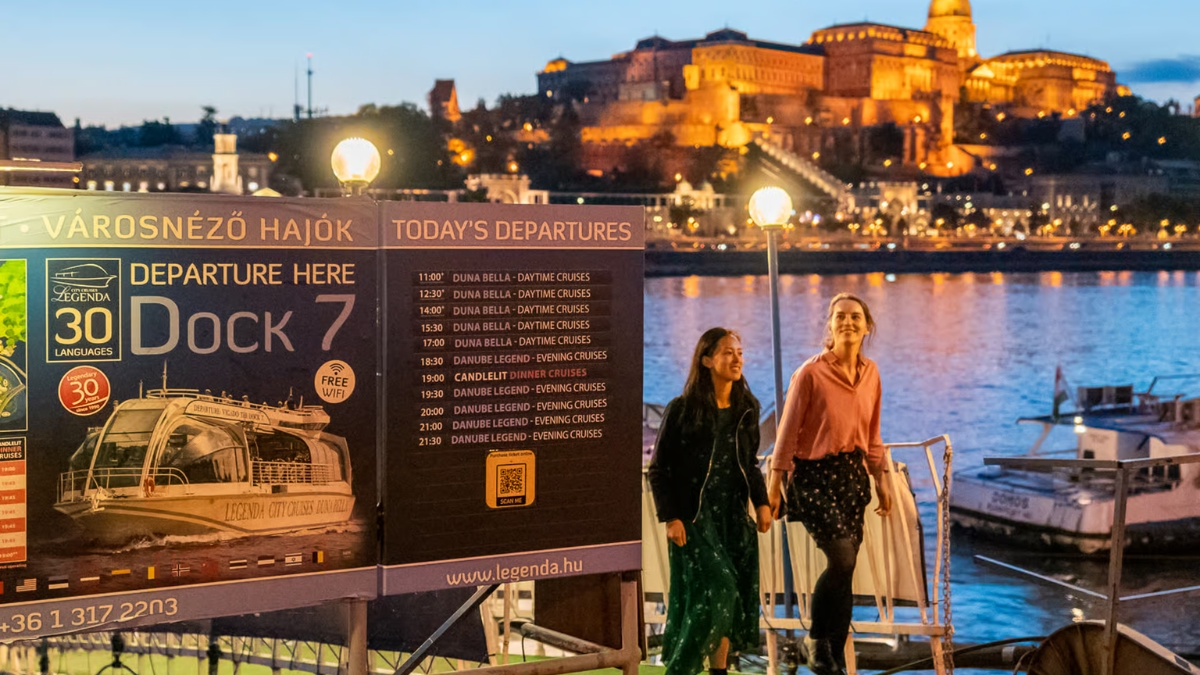
Book online in advance to lock in the best price — last-minute walk-up rates at the dock are typically higher. Check our booking tips guide for current discount codes and combo deals.
Dress in layers and bring a light jacket even in summer — it gets breezy on the open deck after sunset. Review our what to wear checklist so nothing catches you off guard.
An evening cruise between April and October offers the best combination of warm weather and stunning views of the illuminated Parliament and Chain Bridge.
Arrive at the departure pier 15–20 minutes early to check in and claim a seat on the upper deck for unobstructed panoramic views of both the Buda and Pest sides.
Getting Aboard Your Danube River Cruise
How to reach the departure points, the best season to cruise, and how much time to set aside.
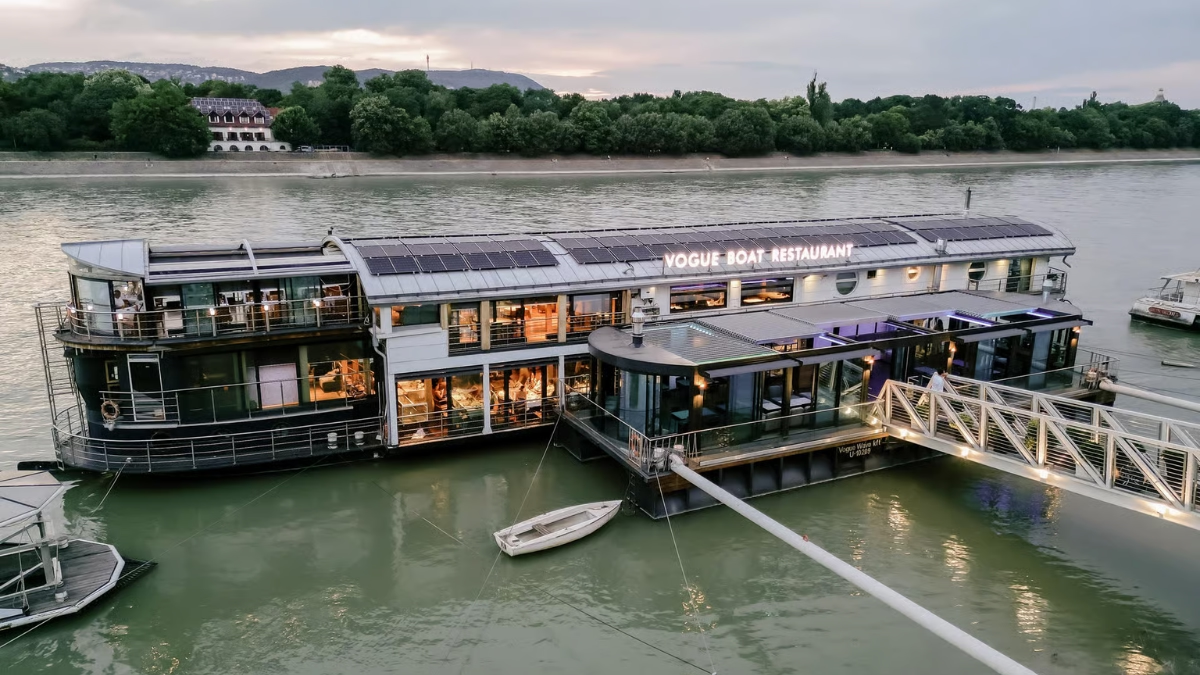
How to Get to the Danube Cruise Departure Points
Getting to Budapest’s Danube cruise departure points by public transport, taxi, and on foot, with pier locations and practical arrival tips.
Read guide →
Best Time to Take a Danube River Cruise in Budapest
A seasonal breakdown of when to book a Budapest Danube cruise, covering weather, crowds, pricing, and what you’ll see in each season.
Read guide →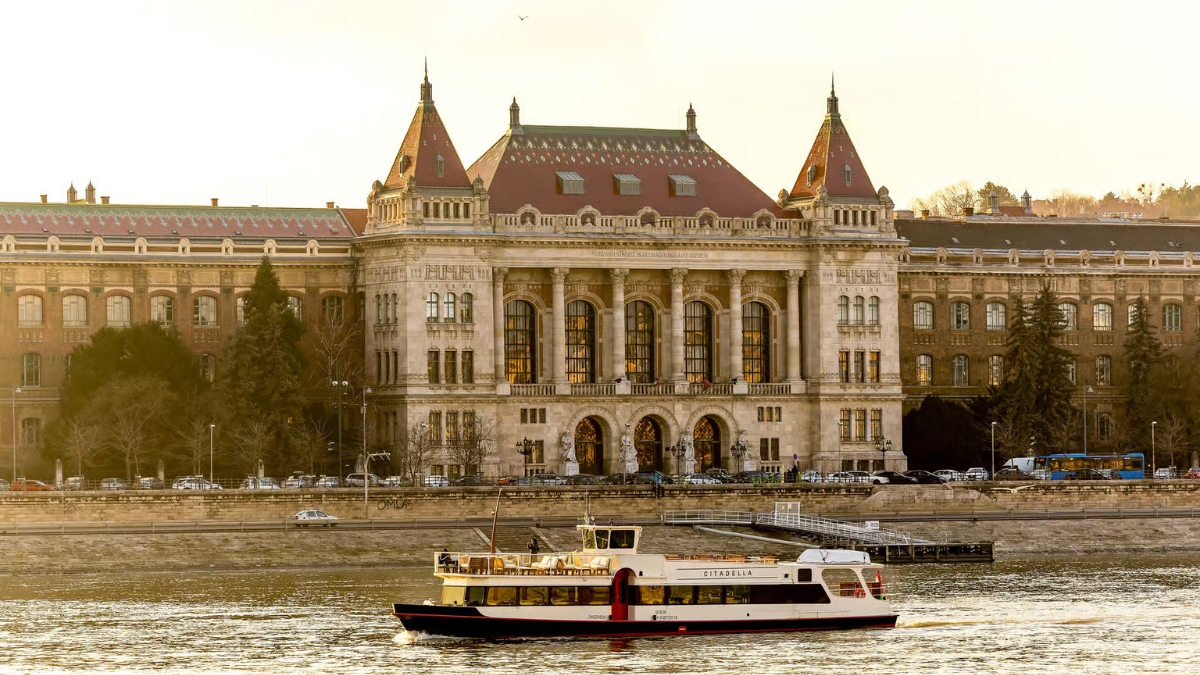
How Long is a Danube River Cruise in Budapest?
A practical guide to Danube river cruise durations in Budapest, covering 1-hour sightseeing, dinner, and multi-day options to help you choose.
Read guide →Planning and Preparing for Danube River Cruise
What to pack, answers to common questions, and tips to get the best price.

What to Wear & What to Bring on a Danube Cruise
Practical packing advice for Danube river cruises, covering dress codes for onboard dining, shore excursions, and seasonal clothing by month.
Read guide →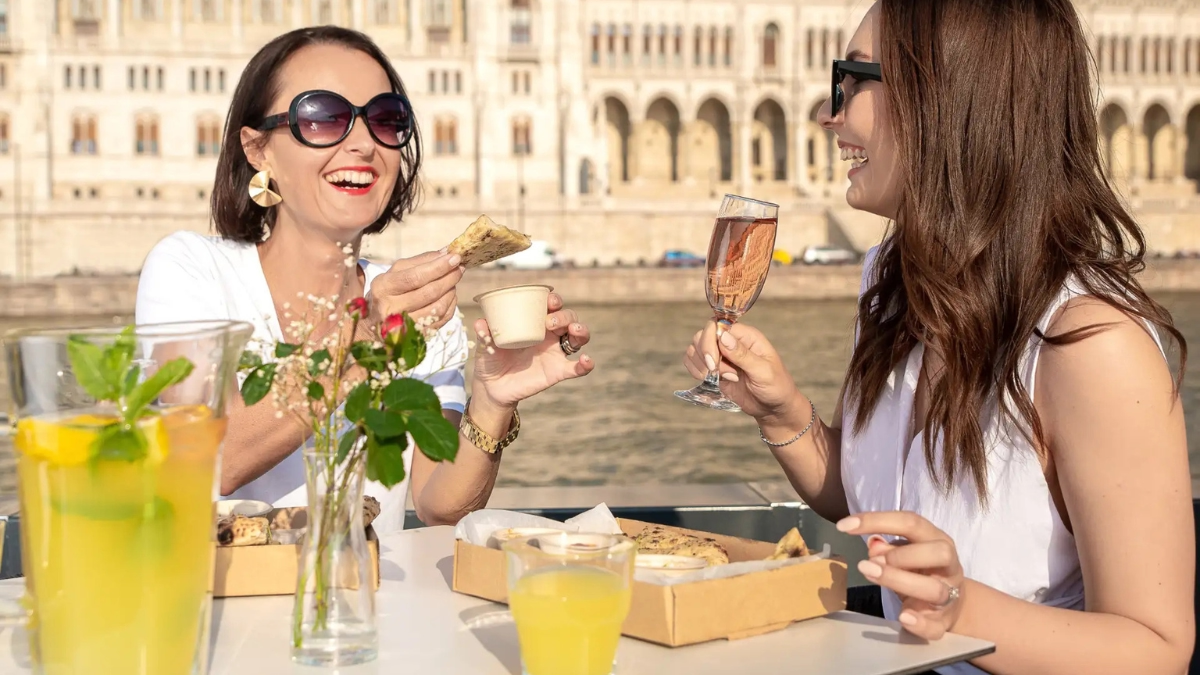
Danube River Cruise Budapest — FAQs
A practical FAQ covering cruise duration, boarding points, food options, pricing, and what to expect on a Budapest Danube river cruise.
Read guide →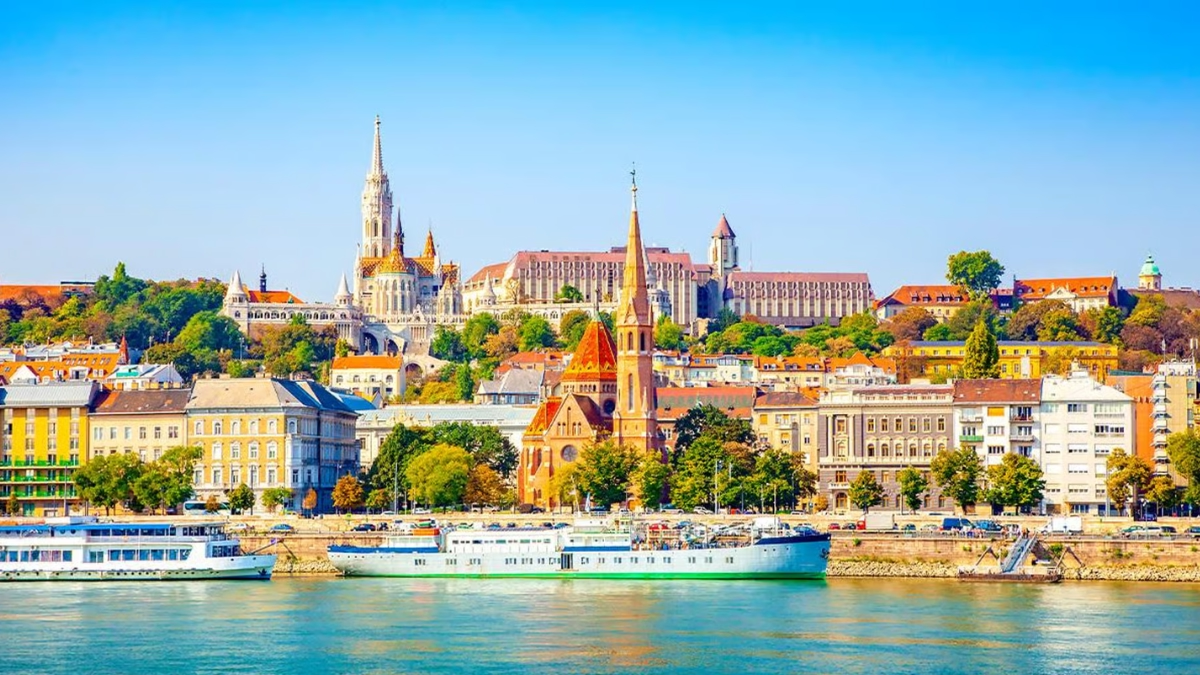
Danube Cruise Booking Tips & How to Save Money
A practical guide to booking Danube river cruises at the best prices, covering timing, comparison strategies, and money-saving tips for each cruise type.
Read guide →Choosing the Right Danube River Cruise
Compare daytime and nighttime options, family-friendly cruises, and official booking channels.
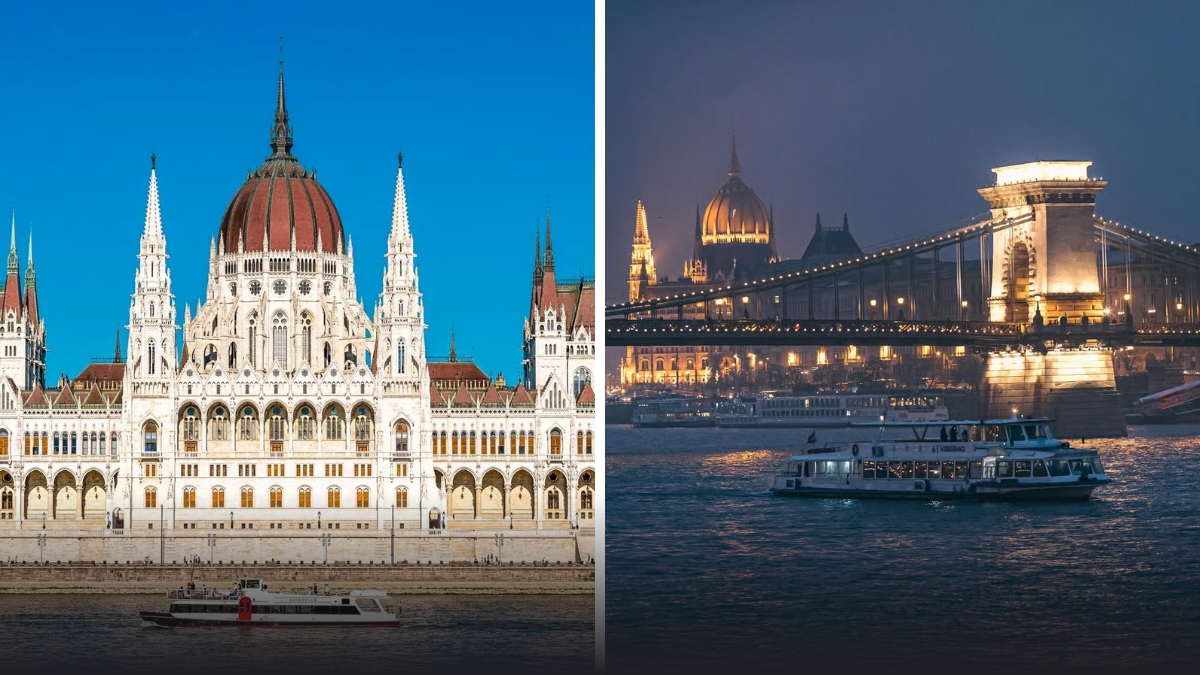
Daytime vs Nighttime Danube Cruise — How to Choose
A practical comparison of daytime and nighttime Danube cruises covering scenery, photo opportunities, pricing differences, and seasonal factors to help you pick the right sailing.
Read guide →
Danube River Cruise Budapest for Families & Accessibility
A practical guide to family-friendly and wheelchair-accessible Danube River cruise options in Budapest, covering suitable operators, boarding logistics, and onboard facilities.
Read guide →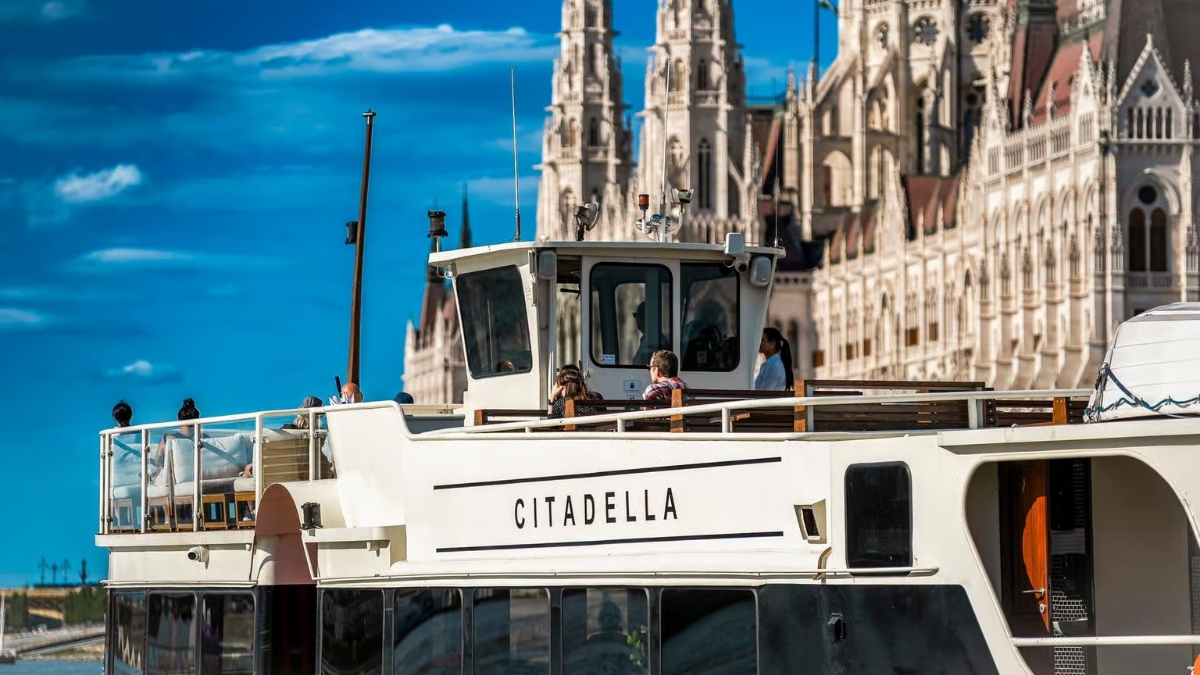
Official Website of Danube River Cruise Budapest
A guide to booking cruises through Budapest’s official channels, covering ticket types, scheduling, and what to expect on the river.
Read guide →Practical Information
Quick-read guidance for scheduling, pacing, and general comfort during your visit.
When to Cruise the Danube
Timing your cruise right makes the difference between a good experience and an unforgettable one.
- Evening cruises offer the best views of the illuminated Parliament and Chain Bridge — lights switch on at sunset year-round
- April through October gives the warmest weather, but winter cruises around Christmas markets have their own charm
- Weekday departures are less crowded than Friday and Saturday evening sailings
- Most sightseeing cruises last 60–70 minutes, though dinner cruises run closer to 2–3 hours
- Book a sunset departure in summer (around 8:30 PM) to catch both daylight and illuminated views in one trip
Getting to the Departure Points
Most cruises depart from Dock 1–7 along the Pest embankment between Elizabeth Bridge and the Chain Bridge.
- Tram 2 runs directly along the Danube promenade — stop at Vigadó tér for the main cluster of departure piers
- Arrive 15–20 minutes before boarding; operators close the gangway 5 minutes before departure
- Vigadó tér is also accessible via M1 (Vörösmarty tér stop) with a short 3-minute walk toward the river
- Check your confirmation email for the exact pier number — docks are spaced several hundred metres apart
- Paid parking is available on Belgrád rakpart, but public transport is far easier during peak hours
What to Bring on Board
A little preparation keeps you comfortable on the open deck, whatever the season.
- Bring a light jacket even in summer — river breezes drop the temperature noticeably after sunset
- A fully charged phone with night mode is enough for photos; tripods aren’t practical on a moving boat
- Winter cruises call for warm layers, gloves, and a hat since upper decks are open-air
- Skip the heels — boat decks can be slippery, and flat shoes with grip are safest
- Dinner cruises are smart-casual; no formal dress code, but swimwear and flip-flops aren’t appropriate
Booking & Saving Money
A few smart choices at booking time can save you 20–40% without downgrading the experience.
- Online advance tickets are typically 15–25% cheaper than walk-up prices at the pier
- Combo tickets bundling a cruise with a Széchenyi Bath or Buda Castle visit offer the best per-activity value
- Children under 6 sail free on most operators; ages 6–14 usually get half-price family fares
- Check the cancellation policy before booking — most operators offer free cancellation up to 24 hours ahead
- Drink-inclusive dinner cruises are better value than ordering à la carte if you plan on more than two glasses of wine
Things to Know Before You Book
Key reminders for a hassle-free visit.
Continue Exploring Danube River Cruise
Discover what to see inside and find the right ticket for your visit.
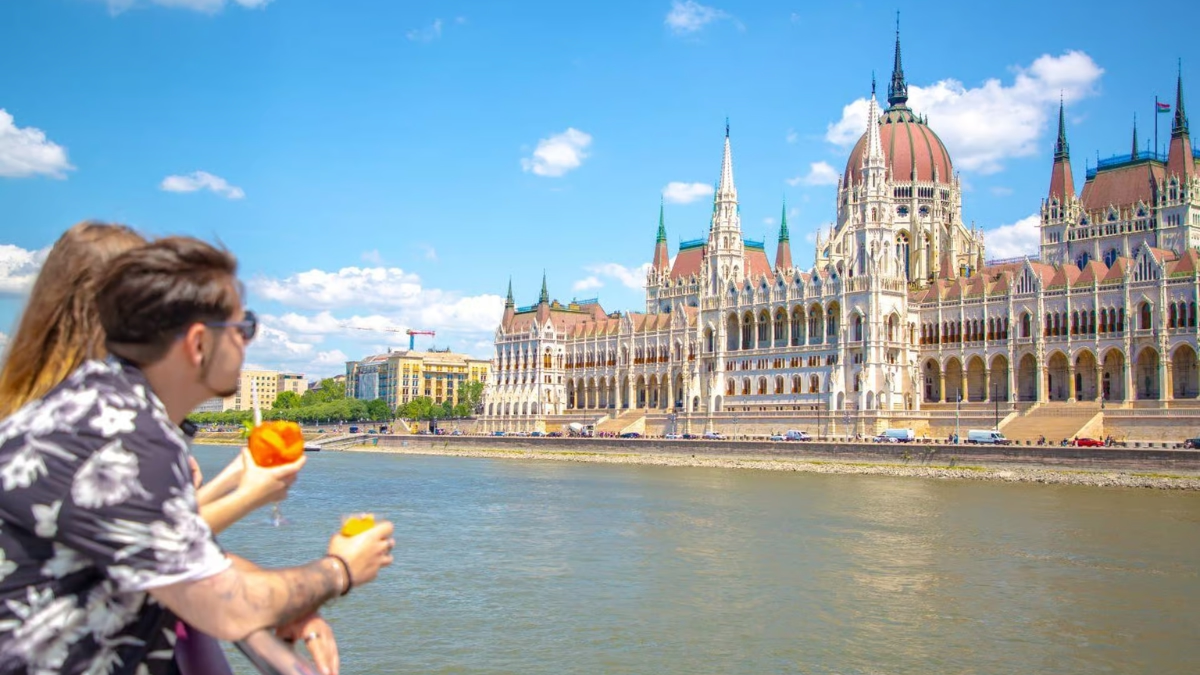
Tickets & Tours
Compare all cruise types, prices, and book your preferred time slot.
Browse all tickets →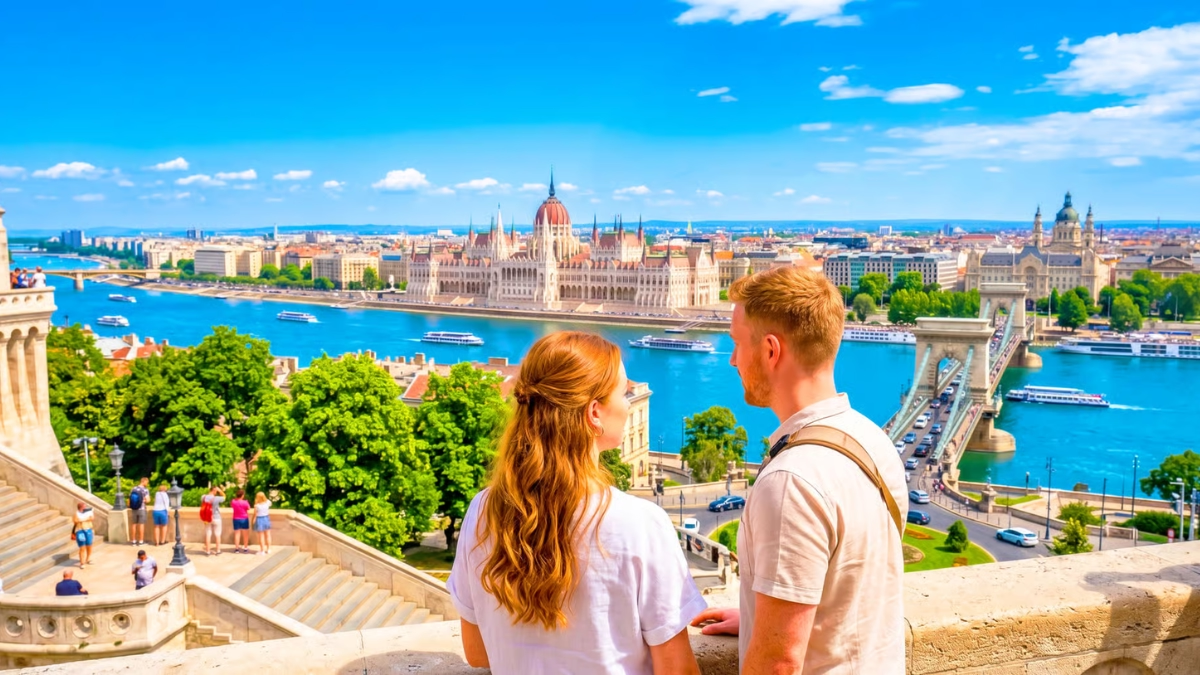
What to See
Discover the iconic landmarks and highlights you’ll encounter on your cruise.
Explore highlights →Frequently Asked Questions
Common questions visitors ask when planning their trip.